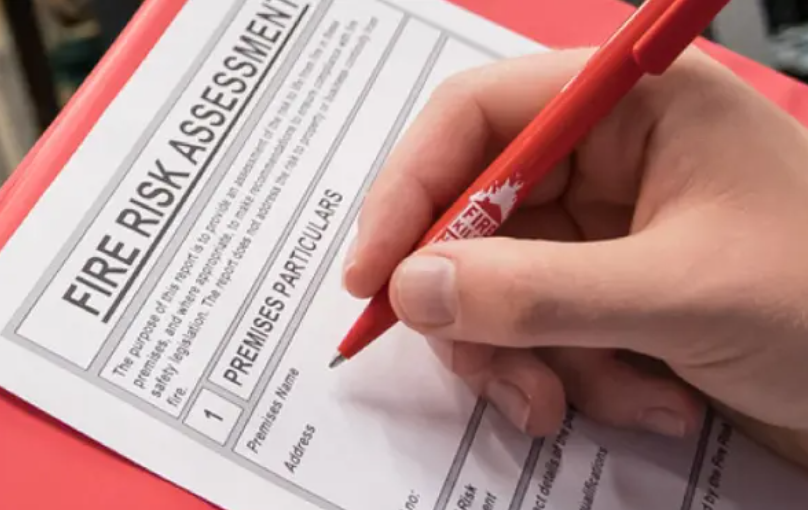
Introduction: Fire Safety Across Different Types of Premises
Fire risk exists everywhere, but it does not look the same in every environment. A residential apartment, a commercial office, and an industrial facility each face different fire hazards, occupant risks, and safety challenges. A well-planned Fire Risk Assessment adapts to these differences and provides tailored solutions for each type of premises.
Understanding how fire risk assessment applies across various settings ensures that safety measures are practical, effective, and legally compliant.
Fire Risk Assessment for Residential Premises
Residential buildings focus heavily on life safety.
Common Residential Fire Risks
- Cooking-related fires
- Faulty electrical appliances
- Overloaded sockets
- Candles and smoking materials
Fire risk assessment in residential settings emphasizes early detection, safe escape, and occupant awareness.
See also: Clean Energy Technologies
Key Fire Safety Measures in Residential Buildings
Essential Residential Controls
- Smoke alarms on every level
- Clear and accessible escape routes
- Fire-resistant doors
- Resident fire safety information
Fire risk assessment ensures residents can evacuate quickly, even during night-time emergencies.
Fire Risk Assessment for Commercial Premises
Commercial buildings often host large numbers of people.
Typical Commercial Fire Hazards
- Electrical equipment
- Paper and packaging
- Portable heaters
- Shared escape routes
Fire risk assessment in commercial spaces focuses on crowd safety, signage, and staff training.
Managing Fire Risk in Offices and Retail Spaces
Commercial Risk Controls
- Regular electrical inspections
- Clear fire action notices
- Trained fire wardens
- Routine evacuation drills
Fire risk assessment ensures business activities do not compromise safety.
Fire Risk Assessment for Industrial Premises
Industrial sites often carry the highest fire risk.
Common Industrial Fire Hazards
- Flammable liquids and gases
- Hot work activities
- Heavy machinery
- Chemical storage
Fire risk assessment in industrial environments requires detailed hazard analysis and strong control measures.
High-Risk Areas in Industrial Settings
Critical Industrial Zones
- Production lines
- Storage warehouses
- Plant rooms
- Loading and unloading areas
Fire risk assessment prioritizes these zones to reduce the chance of major incidents.
Differences in Evacuation Planning by Premises Type
Evacuation strategies must match the environment.
Evacuation Considerations
- Residential: sleeping occupants and familiarity
- Commercial: visitor management and signage
- Industrial: noise, protective equipment, and shift work
Fire risk assessment tailors evacuation plans accordingly.
Fire Detection and Alarm Systems by Environment
Detection requirements vary.
Detection Priorities
- Residential: smoke alarms and simple alerts
- Commercial: zoned alarm systems
- Industrial: heat detection and specialized sensors
Fire risk assessment ensures detection systems suit the specific risk profile.
Firefighting Equipment Selection by Risk Level
Different premises need different equipment.
Equipment Examples
- Residential: fire blankets, basic extinguishers
- Commercial: multiple extinguisher types
- Industrial: hose reels and fixed suppression systems
Fire risk assessment ensures equipment is appropriate and accessible.
Human Behavior and Training Needs
Training needs differ by environment.
Training Focus Areas
- Residents: basic fire awareness
- Commercial staff: evacuation and alarm response
- Industrial workers: hazard control and emergency response
Fire risk assessment identifies suitable training levels.
Legal Responsibilities Across Premises Types
Legal duties apply to all settings.
Responsible Persons
- Landlords and property managers
- Employers and business owners
- Site managers
Fire risk assessment supports compliance with fire safety regulations.
Managing Change Across Different Premises
Change introduces new risks everywhere.
Examples
- Residential renovations
- Office layout changes
- Industrial process upgrades
Fire risk assessment ensures risks are reassessed before and after change.
Common Fire Safety Failures by Premises Type
Each environment has typical weaknesses.
Common Failures
- Residential: disabled alarms
- Commercial: blocked exits
- Industrial: uncontrolled hot work
Fire risk assessment highlights and corrects these failures.
FAQs About Fire Risk Assessment
1. Is fire risk assessment required for homes?
Yes, especially for shared or rented properties.
2. Are commercial buildings higher risk than homes?
They often have more occupants, increasing complexity.
3. Why are industrial premises high risk?
Due to flammable materials and complex processes.
4. Can one assessment cover multiple premises types?
No, each environment needs a tailored assessment.
5. How often should assessments be reviewed?
At least annually or after significant changes.
6. Who enforces fire safety compliance?
Local fire authorities and regulators.
Conclusion
A tailored Fire Risk Assessment is essential for residential, commercial, and industrial premises alike. By recognizing the unique risks of each environment and applying appropriate controls, organizations and property owners can protect lives, reduce damage, and meet legal responsibilities.
Fire safety is never one-size-fits-all—and fire risk assessment ensures the right protections are in place for every type of premises.