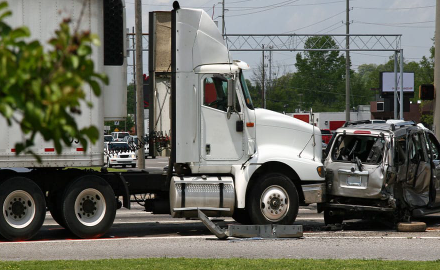
It was a normal Tuesday afternoon on I-10. Traffic slowed. A delivery truck drifted. Then came the sound — metal folding into metal. Her car spun once. Maybe twice. She remembers the horn more than the impact.
Later, sitting in a hospital gown, she kept asking the same thing: “Now what?”
That question shows up in almost every truck accident case. Not just what happened. But what happens next?
If you were hurt in a Houston truck accident, the legal side may feel confusing. It doesn’t have to be. Let’s talk through it like real people.
The First Few Days Feel Like Chaos
Right after a truck crash, your brain runs on adrenaline. You answer questions. You sign forms. You text family.
Then the calls begin. Insurance adjusters speak calmly. They ask for statements. They sound polite. Sometimes they even sound concerned.
They are not neutral. Trucking companies often act fast. Some send investigators to the scene within hours. They secure driver logs, inspect vehicles, and start building their defense immediately.
Most injured drivers don’t realize this is happening. That’s why early legal advice matters. A seasoned Houston personal injury lawyer can send what’s called a preservation letter. It’s simple on paper. Powerful in effect. It tells the trucking company to keep electronic data, inspection reports, and driver logs intact.
Without that step, key proof can quietly disappear. And one more thing — if you haven’t seen a doctor yet, go. Even if you feel “okay.” I’ve seen too many people ignore neck pain that later turned serious.
Truck Cases Are Different. Heavier, Legally Speaking.
People assume a truck crash is just a car crash with bigger damage. Not quite. In a typical car wreck, you’re dealing with one driver and one insurance carrier. With commercial trucks, the web grows. You may have:
- The driver
- The trucking company
- A cargo company
- A vehicle maintenance contractor
- Even a parts manufacturer
Each may carry separate insurance coverage. Each may deny fault. And federal safety rules come into play. Drivers have limits on how long they can operate without rest. Trucks must undergo routine inspections. Maintenance logs must be recorded.
If a company pushes a driver past safe limits, that matters. If brakes weren’t serviced properly, that matters too. Firms like Schechter, Shaffer & Harris, LLP – Accident & Injury Attorneys spend time digging into those details. Not because it sounds impressive — but because that’s often where accountability lives.
Fault Isn’t Always Obvious
Texas uses a modified comparative fault rule. In plain language, if you’re more than 50% responsible, you recover nothing. If you’re less than 51% responsible, you can recover damages — reduced by your share of fault.
Insurance companies know how to work this rule. They may argue you braked suddenly. Or changed lanes too late. Even if the truck driver rear-ended you.
Blame becomes a negotiation tool. Strong cases rely on evidence — electronic data, witness statements, crash recon analysis. The details often tell a different story than the initial report.
And sometimes, yes, there is a shared fault. That happens. The key is keeping percentages fair.
See also: Mera Peak vs Island Peak Which Peak Should You Climb in the Himalayas
What Compensation Really Means
People often ask, “How much is my case worth?” It’s the wrong first question — but an understandable one. Truck crashes tend to cause serious injuries. Serious injuries mean serious costs.
Compensation may cover:
- Emergency care
- Surgery
- Physical therapy
- Lost wages
- Reduced earning ability
- Pain and suffering
- Emotional distress
- Vehicle damage
Here’s something people don’t always say out loud: the emotional side can linger longer than the physical injuries.
Clients tell me they tense up around eighteen-wheelers. They avoid highways like Beltway 8 for months. Sleep becomes light. Irritability creeps in. That impact counts.
Money doesn’t fix trauma. But it creates space — space to heal without financial panic sitting on your chest.
The Timeline: Slower Than You’d Like
Most truck accident cases don’t go straight to trial. First comes investigation. Medical records are gathered. Experts may review crash data. A demand package is prepared.
Then negotiation. Sometimes settlement talks move quickly. Often they don’t. Large trucking insurers move carefully. They assess risk. They measure exposure. They rarely rush large payouts.
If negotiations stall, a lawsuit is filed. Discovery begins. Depositions happen. Mediation may follow.
It sounds long because it can be. That’s why working with a firm that prepares cases thoroughly from the start often leads to better results. Schechter, Shaffer & Harris, LLP – Accident & Injury Attorneys has handled serious commercial vehicle cases across Houston for years. That experience changes how negotiations unfold.
The Two-Year Rule — It Passes Quickly
Texas generally allows two years from the crash date to file a lawsuit. Two years feels distant at first. Then medical visits stack up. Time passes quietly. Insurance talks stretch.
Meanwhile, evidence fades. Acting early doesn’t mean rushing into court. It means protecting your footing.
The Part No One Prints in Brochures
Truck accidents shake confidence. You may feel jumpy in traffic. Or frustrated at how slow recovery feels. That’s normal.
The legal process can feel heavy too. There are documents. Medical reviews. Depositions. It’s not dramatic — just detailed. But clarity helps.
Knowing what’s ahead reduces stress. Having someone explain the steps makes the path feel less overwhelming.
Choosing Legal Support in Houston
Houston sees constant freight traffic — from the Port to construction corridors. Commercial trucks are part of daily life here. If you’re choosing a lawyer, look for:
- Experience with commercial truck litigation
- Access to crash experts
- Trial readiness
- Straightforward communication
Trucking companies prepare early. Your legal team should too.
Frequently Asked Questions
1. How long do I have to file a truck accident lawsuit in Houston?
Most injury claims must be filed within two years of the crash. Waiting too long can prevent recovery. Speaking with an attorney early helps preserve evidence and protect deadlines.
2. What if I may have been partly at fault?
Texas allows recovery if you are less than 51% responsible. Your compensation is reduced by your percentage of fault. Proper investigation helps prevent unfair blame.
3. Are truck accident cases more complicated than car accidents?
Yes. They often involve federal safety rules, multiple defendants, and larger insurance policies. The investigation is usually more detailed and contested.
4. Will my case go to trial?
Most cases settle before trial. Still, insurers offer stronger settlements when they know your lawyer is prepared to take the case to court.
5. When should I contact a lawyer after a truck crash?
As soon as possible. Early legal practice action helps secure electronic data, driver logs, and maintenance records before they are altered or lost.