Choosing between Mera Peak and Island Peak is a common question for travelers planning to undertake their first Himalayan climbing experience. Both peaks are over six thousand meters and provide an authentic sense of accomplishment. They are popular because they are at the entry level of Himalayan mountaineering and yet provide dramatic scenery and real summit challenges.
Which is the right choice depends on your expectations, your comfort with altitude, and how you feel about technical climbing. This guide takes you through the process of comparing step by step in a manner that is clear to understand and easy to travel in order to make an informed decision about which peak is right for you.
Understanding what type of experience you want
Before comparing details, it helps to think about what you want to feel when you are on the journey, on summit day.
Some travelers dream of the wide open views of the Himalayas, the quiet trails, and making a long high altitude trek to the summit. Others look forward to learning rope skills, climbing higher sections, and standing on a sharp summit ridge surrounded by towering peaks.
Mera peak and Island peak both provide powerful experiences, just in different ways. Knowing what makes you motivated will make the decision easier and more satisfying.
Overview of Mera Peak
Mera Peak is the highest trekking peak in Nepal and is known for its huge panorama. The journey takes you to the remote Hinku Valley, far from the busy trekking routes. The trail runs through forests, alpine valleys and high mountain landscapes that are peaceful and expansive.
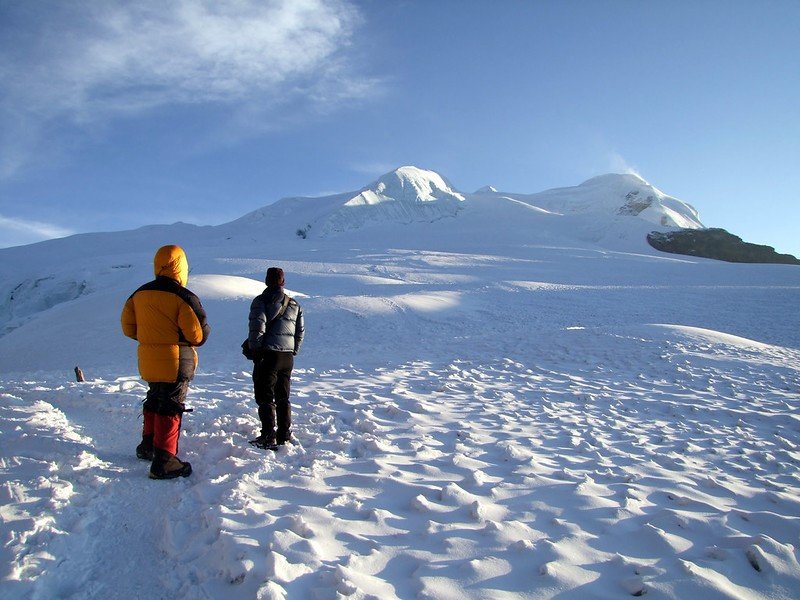
The climb itself is not a very technical one on the normal route. Most of the difficulty is due to the altitude and long summit day. You walk on snow and glacier terrain in crampons and on an ice axe and the last climb is not very steep but rather steady.
Mera Peak is often chosen by travelers who want a big mountain feeling and who enjoy endurance based challenges.
Overview of Island Peak
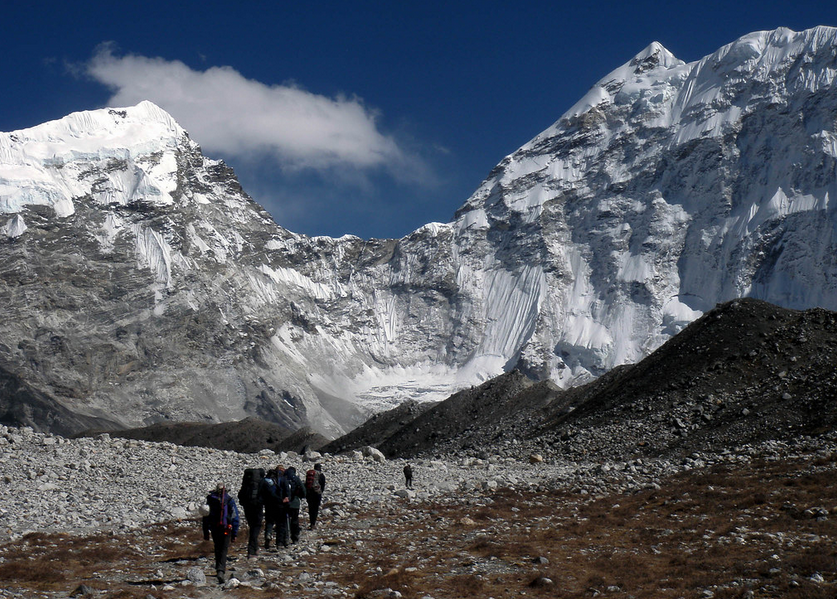
Island Peak is located in Everest region near Imja Valley and it is surrounded by famous Himalayan giants. The approach trek is a classic route under well known villages, monasteries and viewpoint. The atmosphere is vibrant and inspiring, particularly for those who like trekking along other travelers.
The climb on Island Peak is more technical than the climb on Mera Peak. Fixed ropes are typically employed in steeper sections closer to the summit and climbers must be comfortable wearing a harness and operating basic rope systems. The altitude is a bit lower than Mera Peak but the physical effort may be more intense for the last climb.
Island Peak is attractive for travellers seeking more of an alpine style climbing experience.
Comparison of trekking routes and scenery
The trekking experience is a major part of both climbs.
Mera Peak is a less crowded trek which is also more silent. Days are peaceful and the landscape opens up gradually as you gain altitude. The villages are small and the feeling of isolation increases the further you travel into the mountains. Many travellers enjoy the calmness of this way of life and the sense of being very far from busy routes.
Island Peak tracks the main Everest region trails for part of the way. This means that you go to famous places such as Namche Bazaar and Tengboche. The scenery is dramatic and immediate, with iconic peaks in view from many points of view. The trail is more trafficked; that energy of the region can be very motivational.
If you prefer being alone and visiting remote landscapes, Mera Peak is perhaps for you. If you love the old Himalayan culture and social trekking trails, Island Peak is a great option to choose from.
Altitude and acclimatization considerations
Altitude affects everyone differently, and plays an important factor in the decision between these peaks.
The Mera Peak climbing is higher, and therefore acclimatization is of particular importance. A well planned itinerary with gradual ascent and rest days is a must. The summit day is long and you spend many hours above six thousand meters. Proper pacing and hydration makes a big difference.
Island Peak is slightly lower, but again, it is not to be overlooked. The technical sections do take some work and you may go slowly using ropes and climbing equipment. Many itineraries combine Island Peak with Everest Base Camp or close by acclimatization hikes, which helps the body adapt if the schedule is not rushed.
If you have had experience trekking at high altitude and you acclimatize well, Mera Peak is realistic. If altitude has been a challenge for you in the past, Island Peak may seem more doable with good planning.
Technical difficulty explained simply
Both the peaks involve basic mountaineering skills, but the nature of difficulty is different.
On Mera Peak the technical requirements are moderate. You learn to walk in crampons, how to use an ice axe for balance, and to move safely on snow and glacier terrain. The slope angles are generally gentle and the challenge lies in the endurance, cold and altitude rather than steep climbing.
On Island Peak, the last section is more steep and technical. Fixed ropes are commonly used and you need to know how to clip in, climb up and down safely. There is more exposure, which means you are able to feel the height around you. This creates excitement but also demands confidence and focus.
If you are interested in learning rope skills and alpine techniques, Island Peak provides that possibility. If you are looking for a less technical climb and a focus on stamina, Mera Peak is often more comfortable.
Physical preparation and training focus
Both climbs need to be fit, but emphasis of training may vary.
For Mera Peak, Long duration endurance is important. Training should include hiking for many hours, stair climbing and steady uphill walking. Strengthening your legs and your core helps keep you balanced and efficient when being on your feet all day. Mental patience is also a valuable asset as slow and steady motion is the key at high altitude.
For Island Peak, endurance is still important, but strength and coordination are more critical. Training that involves step ups, squats and strength training of the upper body is helpful. Familiarity with the wearing of a harness and movement on a rope builds confidence and takes the stress off on summit day.
Regardless of the peak, regular training and realistic preparation do a lot to make the experience more pleasant.
Best season and weather conditions
Spring and autumn are the primary seasons for climbing for both peaks.
During these seasons, the weather is usually more consistent, the skies are clearer, and the temperatures are comfortable with the use of proper gear. Mera Peak may be colder and windier on summit day because of its elevation and open countryside. Warm clothing and good layering are the key.
Island Peak can get busier at peak season, especially in spring. This can result in having to wait on fixed ropes when attempting the summit. Good timing and early starts to help control this.
Those who want to stay away from all the noise prefer to go to Mera Peak while those who want to enjoy the classic Everest region atmosphere enjoy going to Island Peak.
Accommodation & Comfort in the Way
Both of these trips use teahouses for most of the trek, providing basic but welcoming accommodation.
Island Peak has the benefit of being in a well-developed trekking area. Villages such as Dingboche and Chhukung have comfortable lodges and good acclimatization options before the climb.
Mera Peak passes through more remote areas where facilities can be simpler. This adds to the expedition feel, but travellers should be content with fewer options and simpler services.
If comfort and variety are high priorities Island Peak’s might be easier. If simplicity and remoteness are attractive to you, Mera Peak is a rewarding experience.
Summit views and overall reward
Summit day is the emotional highlight of any climb.
From Mera Peak the view is vast and panoramic. On clear days, you can see five of the highest mountains in the world as well as endless Himalayan ranges. The summit feels wide and open, thus giving the impression of standing on top of a snowy world.
Island Peak provides a more dramatic and close up perspective. Peaks such as Ama Dablam dominate the view and the summit ridge has a sharp alpine feeling. Many people who climb it say the final ascent was thrilling and extremely memorable.
Both summits are special and which view is better depends on which you appreciate more, wide horizons or dramatic close range scenery.
Safety and responsible climbing
Safety requires preparation, pacing, and support.
For both peaks, altitude awareness is vital. Listening to your body, staying hydrated, and developing a plan for ascending gradually decrease risk. Weather can change quickly so it is important to be flexible.
On Island Peak, careful rope management and spacing is important especially when routes are busy. On Mera Peak, energy management and warmth management during long summit hours are important.
Choosing a realistic itinerary and respecting rest days is the best way to increase the chance of a safe and enjoyable climb.
Which of the peaks is better for first time climbers
Both of the peaks are suitable for first time Himalayan climbers if planned properly.
Mera Peak is commonly the choice of trekkers who wish to have a softer transition into mountaineering. It introduces glacier travel and high altitude climbing without steep technical sections.
Island Peak is suitable for trekkers who would like to get their feet wet with technical skills and have no problems with ropes and steeper terrain. It helps to build confidence for future climbs in the alpine zone.
Your comfort level with height, equipment, and long days should help with the decision.
Making the final decision
To pick from the choice of Mera Peak and Island Peak, you can ask three simple questions.
First, consider your previous trekking experience and how you dealt with altitude. Second, ask yourself whether you are more excited about endurance or technical learning. Third thing to consider is how much time you have and what kind of trekking environment you enjoy.
Both peaks provide very memorable Himalayan experiences. Choosing the one that matches your abilities and your expectations makes the journey more enjoyable and meaningful.
Final thoughts
Mera Peak and Island Peak are both good climbs for people who are looking for their first major Himalayan peak. Each one offers a different style of challenge and reward.
When you match the peak to your abilities and interests, the climb is more than just getting to the top. It becomes a journey you remember proudly and clearly.
With good preparation, a sensible itinerary, and respect for the mountains, either mountain summit can be a truly life changing adventure.